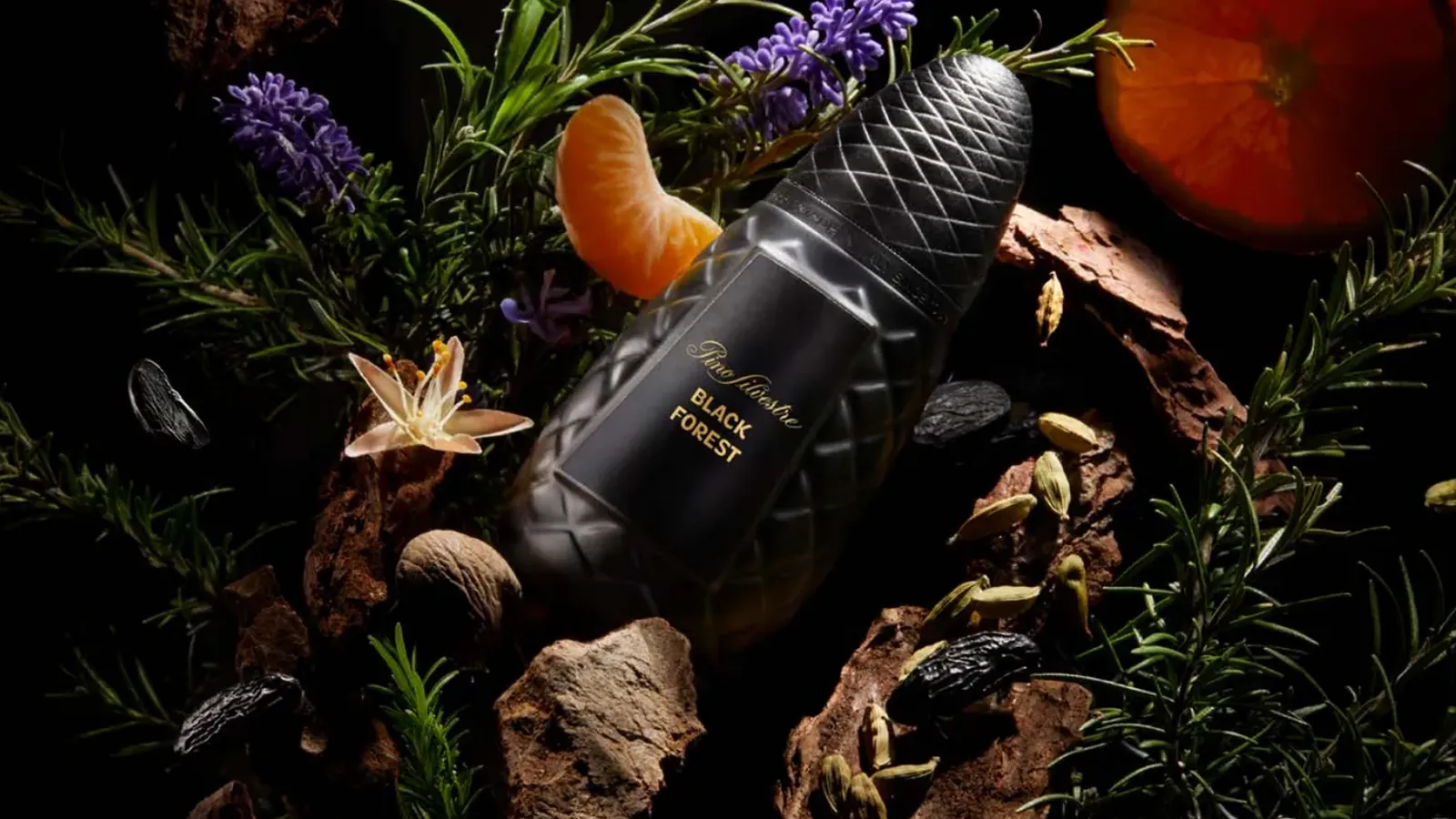
Whether extracted from flowers or developed in the laboratory: both types of fragrance ingredients shape modern perfumery. Only their interplay opens up many of the fragrance worlds we know today.
What are natural fragrance ingredients?
Rose extracts, citrus oils or resins are obtained from natural raw materials. Depending on origin, harvest and processing, they can vary slightly – part of their special character.
What are synthetic fragrance ingredients?
Fragrance molecules are created in the laboratory, making it possible to create new facets or to reproduce familiar scents in a targeted way. They expand the creative palette of perfumery.
Is natural automatically better?
Not necessarily. Natural does not automatically mean better tolerated or safer. Plant-based fragrance ingredients can also contain allergens. What matters are the individual ingredients, their dosage and the final formulation.
Why are both combined?
Because their strengths complement each other. Natural and synthetic components give perfumers a wide range of possibilities – from fresh, clear accords to multi-layered signatures.
What makes a good fragrance
It is not the origin of a single ingredient that matters, but the interplay of the entire composition.
Find more insights into the world of fragrance in the SA.G Group Fragrance Knowledge section.